
Erte Sculptures
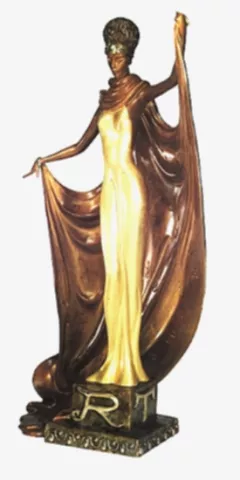
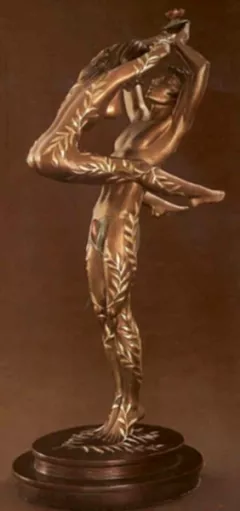
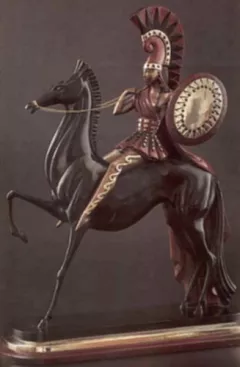
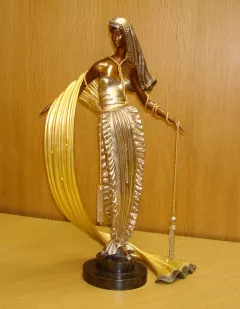
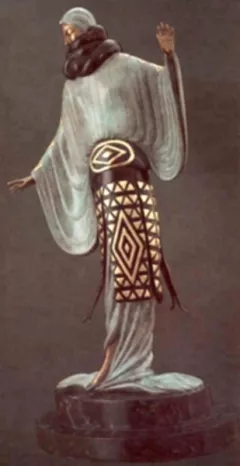
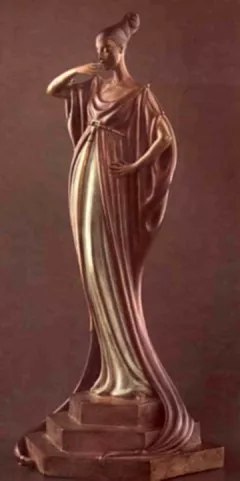
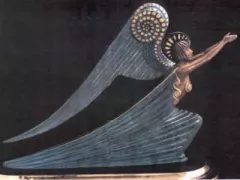
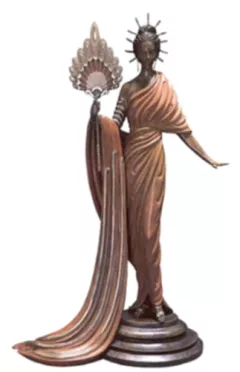
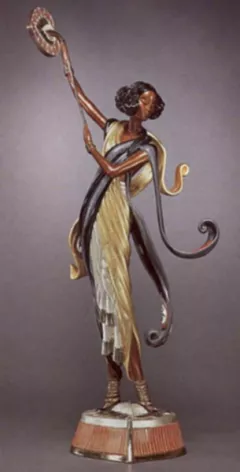
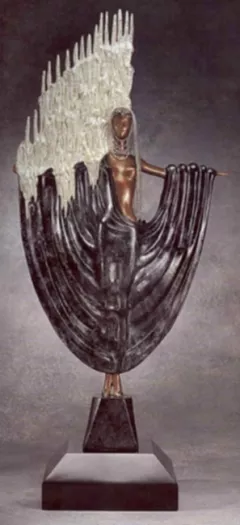
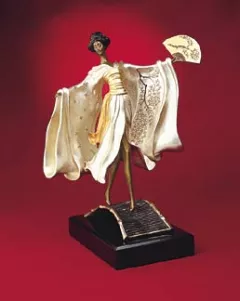
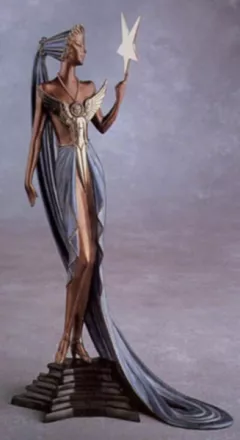
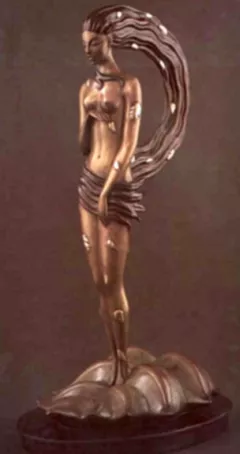
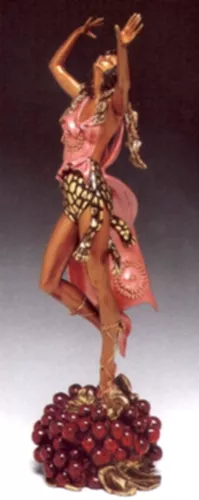
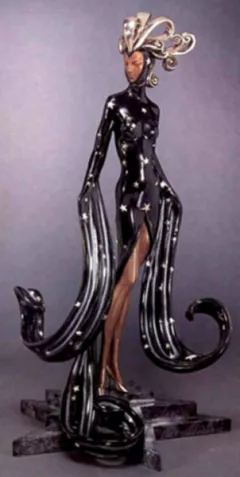
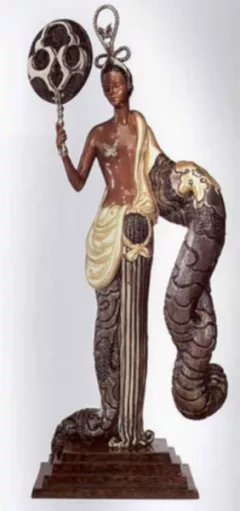
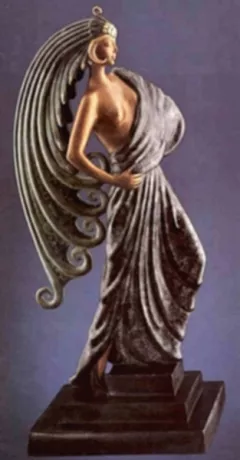
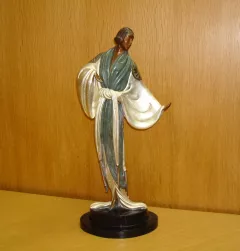
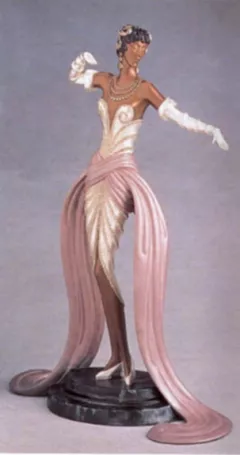
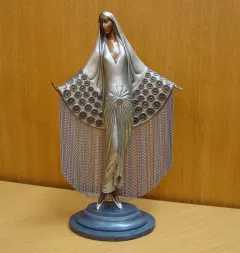
Few artists shaped an entire visual era the way Erté shaped Art Deco. Best known for his elegant illustrations of tall, graceful women in flowing costumes, he later brought those same figures into three dimensions, casting them in gleaming bronze. If you love art that feels glamorous, theatrical, and endlessly elegant, browsing Erté sculptures is the perfect place to start, since every piece carries the same sense of drama he brought to the stage and screen.
About the Artist
Erté was born Romain de Tirtoff on November 23, 1892, in Saint Petersburg, Russia, into an aristocratic family. His father was an admiral in the Imperial Russian Fleet, and the family expected Romain to follow a military path. Instead, he moved to Paris in 1912 to pursue art, adopting the name "Erté," taken from the French pronunciation of his initials, R and T.
In Paris, Erté worked briefly for the famous fashion designer Paul Poiret before landing a job as a cover artist for Harper's Bazaar. Over the next twenty-two years, he created more than 240 magazine covers, alongside costume and set designs for opera houses, Broadway, and the Folies Bergère. He dressed some of the biggest stars of the era, including Josephine Baker and Anna Pavlova, earning him the nickname "the Father of Art Deco."
Why Erté Is Famous?
After a quiet stretch in the 1940s and 1950s, renewed interest in Art Deco brought Erté back into the spotlight during the 1960s. In 1967, the Metropolitan Museum of Art acquired around 200 of his original gouache paintings, and a major London exhibition introduced his famous Alphabet series to a whole new generation of fans.
It was during this later chapter of his career that Erté began creating bronze sculptures, translating the same elegant, flowing lines from his illustrations into three-dimensional form. An Erté bronze sculpture often shows the same tall, theatrical women found in his earlier fashion work, finished with rich patinas and sometimes touches of gold or silver leaf for added drama.
Erté continued sculpting well into his eighties and nineties, working right up until his death in 1990 at the age of ninety-seven. His work today is held in major museum collections, including the Metropolitan Museum of Art, the Victoria and Albert Museum in London, and the Los Angeles County Museum of Art, cementing his lasting place in art history.
Why Erté's Arts Are Worth It: Investment Value?
Collectors interested in Erté bronze sculptures for sale should know that each piece was cast in a numbered, limited edition, which makes documentation especially important. A knowledgeable, trusted gallery can confirm a piece's edition size and history, helping protect both its beauty and its value for years to come.
Because Erté's sculptures translate decades of iconic design into a lasting material, well-documented Erté sculptures for sale have remained popular among collectors who love Art Deco style. Demand has stayed steady for pieces with clear provenance, since each bronze captures a moment of glamour that feels just as striking today as it did a century ago.
Available Arts at Greg Lane
Greg Lane Fine Arts carries a rotating collection of Erté bronzes, including rare and hard-to-find pieces, each one checked carefully before it is offered to collectors. Every piece comes with proof that it is authentic and ready to display in your home the moment it arrives. Browse the current collection today, or reach out to ask about a specific piece, edition, or price range.
Explore More
Browse all artists on our Home page.
If you like Erté Sculptures, you may also like:
Bring Home a Piece of Art Deco
Erté's bronzes capture a century of glamour, elegance, and theatrical drama in gleaming, timeless form. Each piece echoes the same tall, graceful figures that once graced Harper's Bazaar and the Paris stage. Owning one means bringing that same Art Deco splendor into your own space.
Contact Greg Lane Fine Arts today to explore current pieces, ask questions, or request more photos before you decide.
FAQ
Are Erté bronzes considered a smart collectible?
Yes, in many cases. Because each piece was cast in a numbered, limited edition, well-documented bronzes with strong provenance have often held or grown in value over the decades.
What makes Erté's sculptures unique?
They translate his famous Art Deco illustrations into three-dimensional bronze, often finished with gold or silver accents that echo the glamour of his original designs.
How much does an Erté sculpture cost?
Prices vary widely depending on the piece's size, edition, and subject, ranging from a few thousand dollars to significantly more for rare or large pieces.
Why is Erté called the "Father of Art Deco"?
His decades of fashion illustration, costume design, and later sculpture helped define the elegant, geometric style now recognized worldwide as Art Deco.
Did Erté only create bronze sculptures?
No. Alongside sculpture, he worked in illustration, costume design, set design, and jewelry, though his bronzes remain some of his most collected later works.