
Original vs Limited Edition Art: What Collectors Prefer
Published on: March 17, 2026
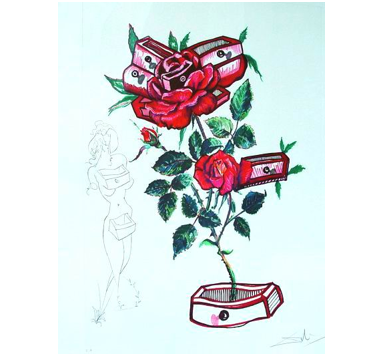
Art can make people feel many things. Some people like art because it has history. Some people like it because it can grow in value. Others just love how it looks and feels. When you walk into a big art collection, you might see Salvador Dali's original art on the wall. You might also see a signed print from a famous artist. Both can look beautiful. Both can be special. But collectors often ask one question. Which is better? The one-of-a-kind original? Or the limited edition print? Let us talk about it in simple words.
Understanding Original Art
Original art means there is only one. The artist made it by hand. No other piece has the same brush strokes or texture.
When you buy an original, you own a single piece made by the artist. You can see every line and every layer of paint. It feels real and special.
Collectors love original art for simple reasons.
• It is rare
• It can grow in value
• It feels special to own
• It feels personal
Think about owning Salvador Dali's original art. You are not just buying a picture. You are buying a small piece of art history.
Original art often sells for high prices. This happens because there are very few originals. Many collectors want them. When many people want something rare, the price goes up.
But original art can cost more money. You also need to take good care of it. It is important to check that it is real. That is why people should buy from trusted galleries.
Why Limited Editions Attract Buyers
Limited editions are different from originals. The artist allows only a certain number of prints to be made. Each print usually has a number and the artist’s signature. When all the prints are sold, no more are made.
This makes the prints special but still more affordable than original art. More people can buy them.
A good example is the art of Erté. Erté created many limited edition prints in his famous Art Deco style. These prints are still loved by collectors today. Because the number of prints is limited, collectors continue to look for them.
Limited editions are great for new collectors. They allow people to enjoy art from famous artists without spending too much money.
What Do Serious Collectors Prefer
The truth is simple. Different collectors want different things.
Some collectors want art mainly as an investment. They often choose originals because rare pieces can grow more in value.
Other collectors want many different artworks. They like building a large collection. Limited editions help them buy art from many artists.
Many experienced collectors choose both. They may buy one or two original artworks. Then they add limited edition prints to grow their collection.
There is no single right answer. It depends on what the collector wants.
Investment Potential: Which Performs Better
When it comes to money, original art often grows more in value over time. If an artist becomes more famous, the value of their original works can rise quickly.
People looking for Salvador Dali's original art often see high prices because there are not many originals available.
Limited editions can also grow in value, but collectors must choose carefully. Prints with small edition sizes are often better. Signed prints usually hold more value than unsigned ones.
Still, not every print becomes valuable. It is important to research the artist and the artwork before buying.
Emotional Impact and Daily Enjoyment
Money is not the only reason people buy art. Feelings matter too.
Original art can feel very powerful. You can see the artist’s hand in the brush strokes. The texture and details make the artwork feel alive.
Limited editions can still look beautiful. Modern printing shows colors and details very well. A lovely piece from the art of Erté can brighten a room and make people smile.
Some collectors buy art simply because they love it. If a piece of art makes you happy when you see it, that feeling is important.
Authenticity and Safety
The art world can sometimes be risky. Some people try to sell fake art.
Original artworks can attract forgeries because they are valuable. That is why buyers should always ask for proof. Certificates, gallery records, and ownership history are important.
Limited editions should also be checked. Buyers should confirm the edition number and the artist’s signature.
Buying from a trusted Florida art gallery can help reduce risk. Good galleries check artworks carefully before selling them.
Building a Smart Collection
If you are new to collecting art, it is good to move slowly. Learn about artists. Visit galleries. Ask questions.
Many collectors start with limited editions. They learn about the art world and gain confidence. Later, they may begin buying original works.
A balanced art collection might include:
• One special original artwork
• Several strong limited edition prints
• Art from different styles or artists
This approach helps collectors build a thoughtful and interesting collection over time.
Final Thought
Original art and limited edition prints both have strong appeal. Originals are rare and often grow more in value. Limited editions are easier to access and cost less.
Smart collectors think about their goals, their budget, and what kind of art they truly enjoy. It is important to research and buy from trusted sources.
Most of all, collect art that speaks to you. If a piece of art makes you stop, look, and feel something special, you are on the right path.
Frequently Asked Questions
1. What is original art?
Original art is a one-of-a-kind piece made directly by the artist. No identical copy exists.
2. Are limited edition prints worth buying?
Yes. Prints from well-known artists, especially signed ones with small edition sizes, can hold good value.
3. Does original art increase in value?
Often it does. Value depends on the artist’s popularity, the rarity of the work, and its condition.
4. How do I know if art is authentic?
Buyers should ask for certificates, ownership history, and purchase from trusted galleries.
5. Should beginners start with originals?
Many beginners start with limited editions because they cost less. Later, they may move into original artworks.
Start Your Collection with Confidence
Explore museum-quality originals and rare limited editions at Greg Lane Fine Arts. The team offers expert guidance in a trusted gallery setting. Whether you are looking for investment pieces or art you simply love, they help you choose with clarity and confidence.